Services · 01
Existing buildings
A property with its paperwork in order is worth more. We guide you through legalisation, cadastral recording and land-register entry of your building — so you can sell, inherit, mortgage it or apply for EU funding without surprises.
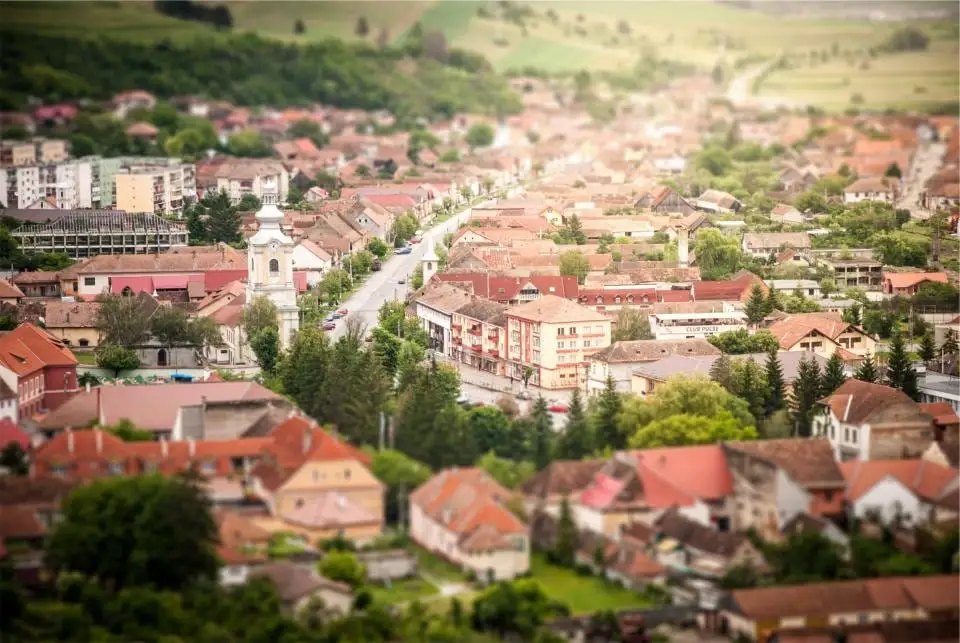
Legalisation of buildings
Legalisation is the procedure by which an illegally constructed building obtains a decision on the as-built state and becomes legal. An illegal building cannot be traded freely or entered in the land register, and its owner may face legal penalties.
Under the Croatian Act on Procedures with Illegally Constructed Buildings, buildings visible on the State Geodetic Administration’s digital orthophoto map based on aerial imaging started on 21 June 2011 can be legalised, provided the application was filed within the statutory deadline. For buildings constructed later, the route is the regular permitting procedure under current building and planning law.
A legal building opens many doors: meeting bank-loan requirements, applying for subsidies and EU projects, and a faster, safer sale. The procedure includes all required surveying, architectural and engineering work — some we do ourselves, some with trusted partners.
The legalisation process
- 01
Assessment of the current state and available documents
- 02
Consultation on options and the best route
- 03
Site visit and as-built survey
- 04
Completing the application and filing it with the authority
- 05
Decision on the as-built state — your building is legal
Cadastral recording & land-register entry
Registration records your existing building in the cadastre and enters it in the land register. Only then is it visible in public registers as part of your property — essential for sales, inheritance, gifting and loans.
A building can be recorded in the cadastre without proof of legality, but land-register entry requires an appropriate act: for example a use permit, a decision on the as-built state, or a certificate that the building was constructed before 15 February 1968.
The registration process
- 01
Collecting the required documents
- 02
Obtaining data from the cadastre and land register
- 03
Site visit and field survey
- 04
Preparing the survey report (geodetski elaborat)
- 05
Review, certification and implementation in the cadastre and land register
Every case is specific and requires an individual approach. Get in touch — the first consultation and assessment are free of obligation.
Insights
Read more
How to check a property in Croatia before buying: cadastre, land register and Geoportal
A practical guide to Croatian public registers: where to check a parcel, ownership and encumbrances online, and how to spot mismatches with the situation on site.
Read articleBuilding legalisation and cadastre registration in Croatia: a guide for owners
Legalisation, cadastral recording and land-register entry are three different things. Here is what you need for a sale or a mortgage — and how the process works.
Read article